Wednesday, July 4, 2012

Dreams of America

Seven years ago, I was sitting in a cafe in France when a familiar tune filled my ears.  The song was Simon and Garfunkel's "Homeward Bound." I was all of sixteen years old, having a grand old time in Europe, enjoying myself far too much to remember I was five thousand miles from home.  All of a sudden though, perhaps drawn in contrast to the soothing voice of Paul Simon, the conversations around me grew markedly foreign.  I became painfully aware of how distant I was from those around me, in language, culture, even appearance.  A warm nostalgia crept over me like embracing arms, and I suddenly longed for the comforts of home and familiarity.  I yearned for America.

When I think back on this moment, I always wonder what it was about the song that evoked such sentimental feelings.  I didn't really miss America.  In fact, I never gave it a thought because France honestly seemed in all aspects so much greater than the country I was born in.  There was richer history and culture, older architecture, endless stretches of beautiful land where so many had tread before me.  Yet for a moment there, I was pulled away from my surroundings and made to recognize where I came from and where I would inevitably return to.  America was my home.

As I listen to the song today, pondering America on the Fourth of July, the song and the nostalgia it evoked achieves new meaning.  Beyond the poetry of their music, Simon and Garfunkel captured some aspect of the modern American mythos in their songs.  Not the unbridled hope and optimism of the elusive American Dream, so doubted in recent times, but a deep sense of uncertainty attached to our national ethos that abounds in troubled times. While searching for the meaning of America on the song 'America,' Simon stumbles, finding himself lost, "empty and aching," suddenly wary of those around him.  'The Sound of Silence' documents a growing collapse in communication across society as a whole, brought upon by events like Kennedy's assassination and the Vietnam War, while 'The Dangling Conversation' reflects on failures to connect in personal life.  By the end of 'America' everything is in deeper doubt than it was in the beginning.  Despite all the despair, however, there's a glimmering sense of shared experience - the comfort of knowing that we're all struggling together as a nation in troubled times. 

In many ways, these songs embody the atmosphere of another definitively American artist: Edward Hopper.  They conjure uncertainty upon a backdrop of familiar sights and sounds just as Hopper's paintings portray anxiety and loneliness in the common features of American life, the gas stations, diners, local motels.  His scenes and landscapes depict isolation, resignation, and regret, creating a desolate view of America, more real than that sparkling notion of the American Dream upon which our nation was built.

Hopper's America along with that of Simon and Garfunkel and countless other artists and writers of the 20th century represent a view of our country that is perhaps not what we are known for.  America is supposed to be the country of boundless opportunity, of self-made men, the land of the free and the home of the brave.  Where is this elusive American Dream today in a society rife with unemployment, economic inequality, and disappointment?  I'd challenge the notion that it existed at all.  What's more notable is that our country has a collective consciousness that honors struggle, individuality, and self-improvement and has seen real hardship and real victory throughout its history.  The American Dream still serves to motivate millions of Americans toward something of value.  It reinforces the beauty of the human experience in moments of both triumph and failure and reminds us of generations of Americans before us who have sought the meaning of America.  After all, America is all about the journey, about climbing our personal ladders to success and finding out for ourselves what the American dream is all about. 

There are many things about America that I am not satisfied with, but there are also certain moments when I am reminded of America's greatness, its unique culture, tradition, and symbols that transcend our daily experience.  When I hear Copland's "Fanfare for the Common Man," a piece of music simultaneously triumphant and mournful that could only characterize the sound of America.  Or when I drive across expanses of land that never seem to end, that simply proclaim the vastness of America, that smell of adventure and sweat, that remind me of the many journeys that await me in this great country.

I'm proud of America and all it stands for.  Happy Fourth of July.

Flag (1954-55), Jasper Johns.

Saturday, November 5, 2011

post-grad update one

Since my last post, I've graduated from college, started working in a public high school, and now spend my Saturday nights in bed listening to Wait Wait...Don't Tell Me! podcasts on the speakers once used to blast dance music. Somehow, just months after graduating, I seem to have left behind all semblance of a young life. No more parties, no late nights out, no spontaneous midnight trips to 24 hour diners.

Part of it is the fact that I now live at home in Houston, a half hour drive from most friends and most things worth doing in the city. Part of it is the fact that I'm no longer living with roommates. Part of it is the simple fact that I'm no longer a college student living in a college town.

However, a significant part is due to my job. Working in a public school is very isolating, especially for a young person. I share a workspace with one other person 3 decades my senior, I spend my time with students all day rather than peers, and I work within the maddening bureaucracy of the public education system. Every day I see the young faces of broken homes, illegal immigration, and poverty, who were never shown the liberating power of education. Every day I confront unacceptably low achievement levels throughout the district. I watch seniors read at a 5th grade level and struggle with multiplication tables and I constantly wonder how we got our kids here. Somehow there's never an answer, not within the school, not within the district, not even within education policy.

Public education is not the fun, glamorous work environment most people seek upon graduating. There's no built-in social structure of co-workers and friends. I'm in bed by 11 each night in order to wake up at 6 and be a responsible adult and role model for the children whose lives I affect every day. I watch the lives of friends who are grad students, freelance writers, consultants, managers at up-and-coming companies in big cities and I am constantly struck my how much a job can shape your everyday life. Maybe next year I'll be a student again or living in a new city or starting a different job. But for now I have to keep reminding myself that I am only 22 years old, that I can still fill my life with youthful pursuits, and that I can still have an exciting future.

Monday, November 1, 2010

hello breakfast.

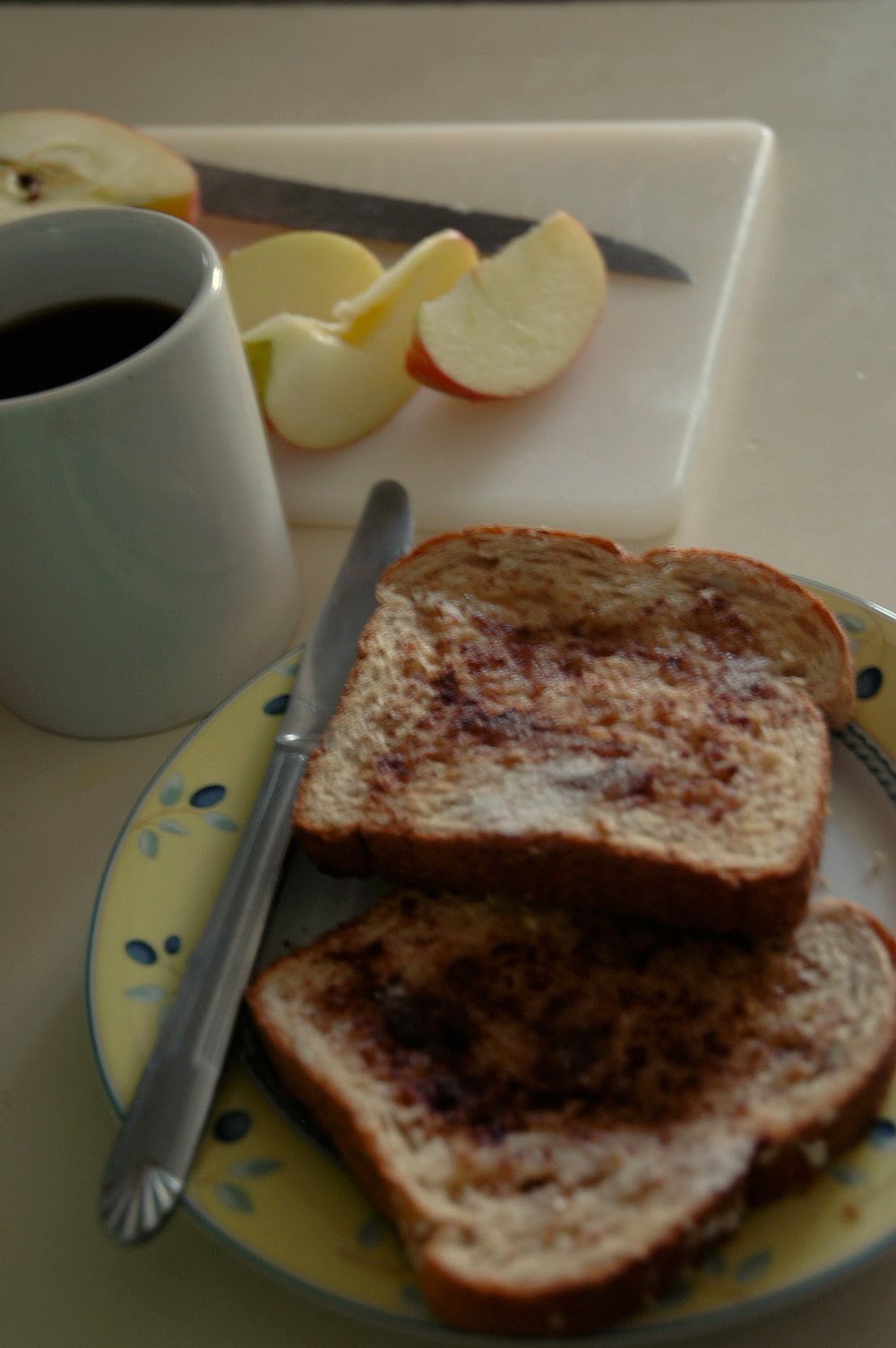
Nothing like cinnamon toast, fresh coffee, and honey crisps to start off a new autumn day.

Thursday, August 5, 2010

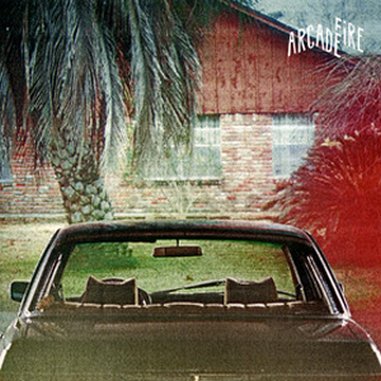
The Suburbs (2010)

This past weekend I packed up my summer apartment and headed home to the suburbs of Houston. Following a busy summer spent in Austin and an entire semester before that spent in Copenhagen, I found myself immediately resenting the suffocating uniformity and ennui of life in the suburbs while also enjoying the comforting sense of familiarity found in my childhood bed and memories of idle summers as a kid growing up in a suburban landscape.

While summer in Austin was acquainted with an adult version of me - waking up at 7 every morning, dressing up for work, drinking cup after cup of coffee to stay alert in the midst of monotony - being back in the suburbs has found me reliving the joys of childhood summers: evening bike rides around the neighborhood, reading novels for pleasure, sleeping until noon every day. However, this enjoyment of doing nothing has come with a newfound guilt characteristic of adulthood - a harsh, unsettling sense that I have outgrown this place. I will no longer be welcome here as a child anymore - after this year, I am to be a fully grown adult with my own sense of purpose and my own career, my own living, my own future. This suburban life will remain here, but I will never return the same.

And with that, coming home to the suburbs has ignited a sort of nostalgia, not only for childhood in suburbia, but a nostalgia for being in the right place, being right where you are supposed to be. As a kid, the suburb was the place for me. I brought home good grades, I shot hoops in the driveway after dinner, I caught frogs with neighbors after dusk. I was right where I was supposed to be. As we get older, we come into a stark adult world marked by terrifying uncertainty. Even the traditional structures - an assured job, a steady marriage, a cohesive family - no longer hold the coveted sense of certainty that we want and need as we get older. In the midst of this precarious grown-up world where neither happiness nor success is secure, we find comfort in a past world where everything seemed to be in its right place.

Arcade Fire: The Suburbs (2010)

Somewhere out there, the same dreamy nostalgia for the lost days of suburban life hit Win Butler, who also happened to grow up in the suburbs of Houston. The result is a collection of memories cemented in Arcade Fire's third album, The Suburbs.

While Funeral captured the imaginative hope of a precocious child and Neon Bible showcased the rebellious spirit of young adulthood, The Suburbs reveals the resignation and longing found in maturity, painting subdued memories of a lost past from the perspective of one who's lived it all once before.

Throughout the album, there is a sense of longing for the purity and certainty once found in suburban life, a nostalgic remembrance fueled by a bleak adult world marked by disillusionment and desperation. However, at the same time, they know fully well that this elusive dream of idyllic suburbia is marred by reality - the stifling conformity, the repressive boredom, the mask of certainty worn by uniformly pleasant houses, each hiding a family on the verge of collapse - in effect, the very neighborhoods that the kids escaped from in Funeral. Thus, in the midst of an imperfect world, Arcade Fire retreat to the comfort of shared human experience, evoking the same nostalgia within us for a world that never existed, strengthening the universal thread that connects us all and carries us through this life.

The sense of nostalgia spreads throughout the musical sound of the album as well, drawing on influences from the past moreso than in their previous albums. The songs manage to pay homage to earlier artists in a way that goes beyond mimicry to truly create a new musical experience built on sounds of the past. Instead of merely evoking the vocals and synthpop of Blondie, 'Sprawl II' transports you through a hazy dream to a 1979 bedroom where a newly released 'Heart of Glass' plays on a record player, flooding you with wistful reminiscence for a lost time.

And in this way, Arcade Fire manages to continue doing what they do so well: encapsulating poignant truths of the human condition in powerful songs unrivaled by other bands today.

The Suburbs is out in stores this week; Malory Lee is in the suburbs of Houston until August 22.

Tuesday, May 4, 2010

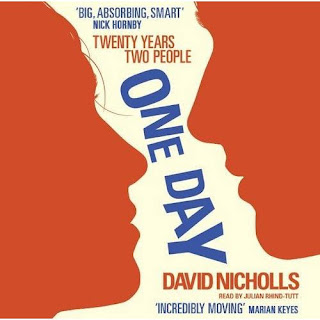
One Day (2009)

https://blogger.googleusercontent.com/img/b/R29vZ2xl/AVvXsEhrkkNe-gpQ3UCerYpp7YQlaQMl1tboVSC1uoejQaVt8iUop9R3_2z5WvNLOtSils8qmi65FyMqby1TL8VOHWbAML3Bhvq23wKF_D9qTdfhICBqiZZK69mlVa3CEhctTx3TcavqHSux7UjJ/s320/One+Day.jpg

I picked up the novel One Day on a whim while waiting for a train in Germany last month. Having finished it now, I am so glad I decided to buy it. It's been a long time since I've connected to a fictional story in such a way (also a while since I've finished a book for leisure, I suppose). I read a large part of the book immediately after purchasing it, devoting every train ride while traveling to the story of Em and Dex. I was nearly finished by the end of my travels in Russia, but I stored it away as school got busy again, having almost lost interest as it seemed to have reached a pleasantly stagnant conclusion. It rested on my bookshelf until today, when perhaps out of a desperate attempt to avoid my daunting assignments, I decided to see how the story officially ended. After finishing, I'm convinced the critics who acclaimed it simply as a great romantic comedy must have also thought they had reached the end when I did and failed to finish the novel. The last few chapters of the book, in fact, offer the most poignant, affecting, human portrayals of life and love only alluded to in earlier parts of the story. Three hours after finishing, I still feel the weight of the story on me, a sense of loss coming over me upon the characters' departure from my life.

Between his characters Dexter and Emma, David Nicholls paints a universal story of human longing, nostalgia for a lost past, and, above all, the constant uncertainty of life, love, and happiness. At times unbearably sad, at times remarkably hopeful, Nicholls brilliantly captures the experience of loss as well as the power of human resilience and finding beauty within tragedy.

Some readers claimed that the novel failed because the characters were unlikeable, which I found astounding. Em and Dex emerge vividly from Nicholls' striking talent for crafting genuine characters, so real and flawed and human in every way that you're drawn in almost immediately. We may like people because of their good qualities, but we love our closest friends and family in spite of their deepest faults. Are fictional characters any different? We come to know Em and Dex in an intimate way, sensing their vulnerabilities, disappointed at their failures but ultimately rooting for their success. They irritate from time to time when we first meet them, but after 20 years (or 435 pages) spent together, it is impossible not to love and feel for them as if they were our own friends.

Apart from the brilliant characterization and subtle depiction of human emotion, the story portrays the profound trajectory life can take over 20 years. I currently stand just at the outset of the story, connecting with the post-graduation anxiety of facing the real world, with both Dexter's hedonistic desire to explore the world and Emma's insecurities that prevent her from success and happiness. The beauty of Nicholls' narrative lies in this fact that people in all different stages of their lives will connect to the story in different ways. It's a story I'll be able to return to throughout my life, a companion to the triumphs and losses along the way.

Sunday, May 2, 2010

baby went to amsterdam, she put a little money into travelin'.


The remnants of Queensday the morning after

Wednesday 28 April 2010

My friend Claire and I left in the evening for Amsterdam on our respective forms of transportation - a mere one hour flight for her, 15 hour overnight train (without bed) for me. Despite the horribly uncomfortable seats clearly not built for sleeping or sitting for long periods of time, I would still choose to travel by train. There's something about seeing the land change as you pass - about enjoying the green expanses of the German countryside and the endless fields of bright yellow, almost fluorescent flowers, about opening the windows to fresh air - that is irreplacable, no matter how much faster a plane will get you to your destination.


Preferred form of transportation

Thursday 29 April 2010

9:23 AM

Woke up groggily to find that the train has been stalled....for the last 6 hours. Engine broken. Apparently someone commit suicide on the tracks in the middle of the night while everyone was asleep. Definitely did a number on the locomotives. Now everyone is out of their compartments, having conversations with fellow travelers from other countries, the windows are open for some fresh morning air, and someone is strumming languidly on a ukelele. If it weren't for the grim circumstances and the fact that I'm losing a whole precious day of travel and leaving Claire alone in Amsterdam, I'd almost enjoy this.


14:00

After a couple hours back on track, just when we thought we could finally make it to Amsterdam, the train has stalled once again. This time we've all gotten off the train, resting on the platform in the warm afternoon sun and balmy breeze. The weather truly feels like summer right now, wherever we are.

Later that day...

Six hours after I was supposed to arrive in Amsterdam, I finally made it to Centraal Station around 4 in the afternoon, exhausted from a rather sleepless train ride, and starved, having not eaten anything since 6 o'clock the previous evening. I met up with Claire and we rode to Haarlem, where we are staying for the next two nights, to drop off our bags at our hostel. In the evening we explored a bit of Amsterdam, mainly the many eateries so considerately open for late night munchies. Total food consumed tonight: huge plate of Chinese noodles, Belgian waffle, various cakes, and a "Lion" McFlurry (in response to my original order for a KitKat McFlurry, the clerk said 'why have a kat when you can have a lion?' Wise words, for the Lion McFlurry exceeded anything a KitKat McFlurry could have dreamed of being). Note to self for rest of the trip: eat less, spend less money.

Friday 30 April 2010: Queensday


Queensday in....Haarlem!

We woke up today with the intention of eating an early breakfast at the hostel, exploring Haarlem all morning, and being on a train to Amsterdam by noon. Instead, we skipped breakfast, went back to bed and slept til noon.

Well-rested and finally ready for Queensday, we headed into the center of Haarlem, where we were met with huge crowds of youths and families alike all decked out in orange and already drunk (probably from last night's Queensnight celebrations). The train station was mad chaos. Turns out no trains were going to Amsterdam today and crowds of young people were already mobbing the buses to the city. We decided to let the locals celebrate their holiday in Amsterdam and ended up spending Queensday in Haarlem, which I actually appreciated because it was the perfect balance of party celebrations and small town charm. And while Amsterdam was ridden with tourists, Haarlem retained a local atmosphere.

We stopped first for a delightful brunch at a quaint little French cafe on the corner. I had an omelette the size of my face that probably contained a month's supply of cholesterol. It was wholly satisfying, and the coffee was wonderful too. After our cosy rendezvous with France, we returned to the streets of Haarlem to join the Queensday celebration, pausing at a grocery store to arm ourselves with Heinekens. The streets were packed with people (I can only imagine what Amsterdam was like). In addition to being a huge outdoor party, the streets also functioned as a big flea market (I managed to find a lovely ring for just 50 cents) as well as a public children's talent show (still confused about that one). All in all, Queensday was plenty of fun, though the celebrations ended early (after all, they'd been partying since the previous night).


Balancing act

Saturday 1 May 2010

I have so many fingers! (still only 10)
These hands aren't mine. (they were)
A steak would be great in two years. (probably)
They're speaking English! (they were)
They're speaking Danish! (they weren't)
Everyone's speaking Danish! (no one was speaking Danish)
Seth Rogen! (wasn't there)
Did I say that out loud? (yes, I did)
Am I speaking? (yes, I was)
Where's Keanu Reeves? (in The Matrix)
Was that real? (no one knows)

Sunday 2 May 2010

8:17 AM


Beautiful morning. Claire left for the airport already and I have about 2 hours before my long train journey back to Copenhagen. I'm currently sitting by the canal, taking in the beautiful scenery (which somehow has not been the focus on this trip) and enjoying the brisk morning breeze. It's refreshing to explore the city while the streets are mostly empty and everyone is still sleeping off the effects of Queensday weekend. It's a much needed detox: peace, quiet, fresh air, lack of excessive stimuli, getting away from people and being alone in a lovely city - one of my favorite parts of traveling. Once in a while a Heineken can drifts by in the canal or a whiff of urine passes through the air, but for the most part it seems like the party's officially over. Amsterdam, you mad, mad city. You have certainly taken your toll on me.

Thursday, March 18, 2010

sxswahhh.

SXSW kicked off today, and its first surprise show came from Nas and Damian Marley at Levi's/Fader Fort (which hosted Kanye's surprise appearance last year). This is one of the acts that excited me most this year, even from 5000 miles away.

NAS & DAMIAN "JR GONG" MARLEY DISTANT RELATIVES preview from nabil elderkin on Vimeo.


While I'm loving Europe and all, I'd give anything to be in Austin this week for some free shows, warm weather, and goddamn breakfast tacos.

Monday, March 15, 2010

the little successes carry you through life.

Today I found my new favorite belt at a thrift shop for 10 kroner (less than $2), got an A on my law paper, uploaded pictures, skipped class, explored Vesterbro, and enjoyed the sunshine. I have yet to study for the test I have tomorrow, but you can't say I didn't have a productive day.

Friday, February 19, 2010

Lesson in blogging efficiency.

Here are some things I've been obsessed with in the past month spent here:

1. Dark chocolate, marzipan, Nutella...

I've tried to curb my consumption, but something tells me I will be dying a slow, delicious death from sugar. It's bad when you've abandoned any concept of Nutella as a spread and simply eat it by the spoonful.

2.
Jens Lekman.

Oh Swedish man, why are you not touring in your homeland of Scandinavia? The world makes no sense.

3.
Danish hot dogs.

Never before have I had so many condiments in one bite, but it is so worth the multiple heart attacks to come. These put New York hot dog stands to shame.

4. Danish pastries.

If you think they look good, wait til you smell them everywhere on the streets of Copenhagen, especially at 3:00 in the morning - it is incredible.

5. Finding little unique spots in the city.
Folkets Hus Copenhagen (by Bjarke Bisgaard)
Ok, I might have tacked this on to make myself feel better for the fact that 3 out of my 5 "obsessions" were food. At the same time though, #5 represents perhaps the truest of my obsessions. In a city as homogeneous as Copenhagen, it is extremely exciting to find local dives or areas with real character and individuality. Which is why Nørrebro and Christiania stand out in my memory as unique places to hang out. The debate on the increasing "problem" of migration in Denmark has centered mostly around how foreigners are perceived as a threat to Danish culture, and while I understood this viewpoint upon first arriving and experiencing the novelty of Danish society, the multi-ethnic neighborhoods and areas not strictly 'Danish' or European have offered the most refreshing view into the city.

Things I've missed in the past month:

1. Television.
I'm not a huge TV watcher, but the fact that the Olympics are halfway over and I have yet to watch a single event is literally killing me. The TV in our bloc is broken and/or missing; in addition, Danes simply don't seem to care about the Olympics. Out at a pub, they were playing everything but the Olympics: football, hockey, even an old movie at one point (who goes to a pub to watch a movie?). Also, I simply miss being able to have the TV on in the background every so often. BBC World to keep me just a little more informed when I don't have time to read the news. The Food Network too, although I think the adventures that go down in our kitchen are more than enough for a program of its own. Speaking of which, I made pasta carbonara yesterday! Without pancetta, but Danish bacon as a substitute ain't too shabby.


2. Speaking the native language.
Sure, Danes all speak impeccable English, some better than Americans I know, but Danish is very much the national language. Even with the knowledge that you could just initiate a conversation in English, it is very alienating to be unable to understand the conversations around you, the announcements on the train, the nutrition facts on the cereal you buy. However, it's also reinspired my desire to learn languages and stressed the importance of language as a bridge into a culture. I speak Chinese to my parents now whenever they call. I talk to Chinese students I meet doing laundry in my kollegium. I try out the little Danish I've learned on the Danes I live with. I have conversations with students from Spain (though they usually want to improve their English, so it generally becomes Spanglish).

It seems I like a lot more things than I've missed in the past month. I'll take that as a good sign for the coming months.

Monday, February 15, 2010

god mondag på nørrebro.

Mondays are long - class runs from 8:30 in the morning to 6 in the evening, with a scant few hours tossed in as a break. While it sounds torturous, Mondays usually also tend to be the most productive and pass most quickly, usually with the aid of coffee and plenty of work with which to occupy the time.

Today was an especially busy Monday as I had done absolutely no work over the weekend (yet a day trip to Sweden and consumption of far too much beer were clearly a priority). It has been enormously difficult to get anything productive done here, let alone anything for the
real world, such as job applications and making plans for the future. Which is why I was so proud when I successfully finished and faxed out my application for an internship at NPR today, just before going to class at the University of Copenhagen. Despite the near impossibility of actually getting it, it was such a sense of achievement to actually finish something tangible and put myself out there. If anything, the fact that it was such a reach freed me more to be myself, since the main concern for me was not actually getting the post but finishing something that was true to myself.

Though I scrambled with my limited time frame between classes, the finished product I faxed out at least felt complete, something I could be satisfied with. Walking to class afterwards
was refreshing, revitalizing, even though I was already 15 minutes late (but as it's a 3-hour lecture course, 15 minutes is negligible). It was nice to be back in the city, out in the fresh air and snow, being frustrated at the general absence of pedestrian right-of-way but at the same time not all too worried about the delay.

After class (which was actually quite interesting in covering torture and transitional justice, concepts I had been introduced to in South Africa), an evening of celebratory unwinding was in order. I met up with friends close by in the city where we enjoyed a highly affordable Mediterranean buffet. The American love for all things cheap and all things all-you-can-eat combined with the fact that we hadn't eaten since 11 o'clock led us to shovel our food with no mercy, much to the horror of our cruelly outnumbered European friend.

Following an overindulgent feast (complete with wine and dessert), we trekked to Nørrebro, a district known for its multi-ethnic community in a city of daunting homogeneity. A sketchier part of town, where some of our first welcoming sights included "Satan" graffitied on the walls, but one with definite character and much to offer to locals and visitors alike.

We went to a bar called
Cafe Blågårds Apotek, where there's live jazz music and free entry on Mondays. Inside, it was crowded and warm, a haven from the frigid evening; the music was vibrant, atmosphere was cozy, and a good time seemed to be had by all. Hip, friendly bartenders greeted us with refreshing beers and engaging banter; the intimate environment made it feel more like sharing a living room with old and new friends alike than being out on the town.

In total, I spent around 15 hours in the city today, and while I was exhausted upon finally returning home for the first time since 7:30 AM, it was a god mondag.

Monday, January 25, 2010

(This Bird Has Flown)

These days I feel like I'm not even in school. Granted half of my classes have not begun yet, but for now I often find myself with hours to spend exploring the world around me.

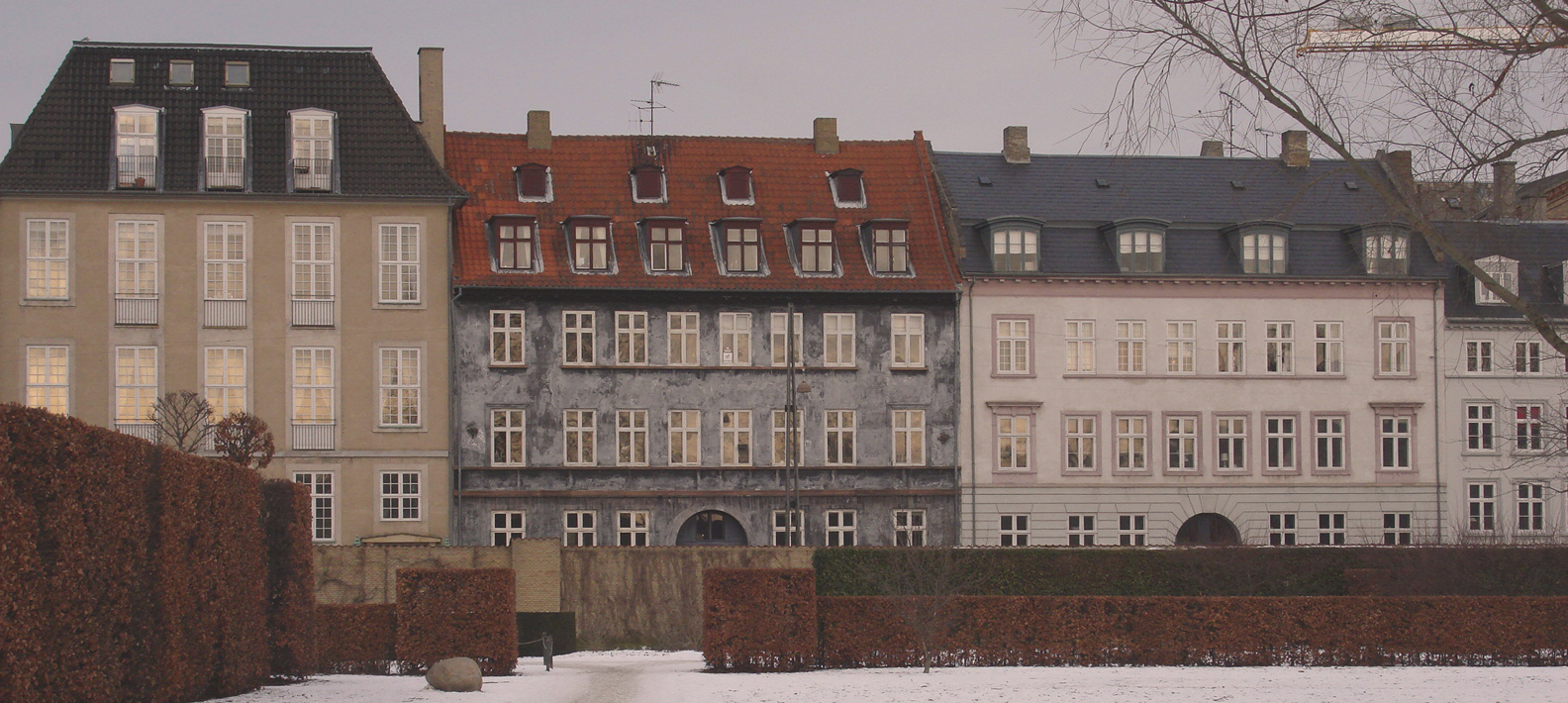
My only class today finished at 10, and I was left with an entire day ahead of me without assignments or engagements. On top of this sense of complete freedom, it was a beautiful day - the sun was out in its full glory (only its third appearance since I've arrived). Savoring the extra vitamin D, I wandered away from the busy city centre toward the quiet streets of north Copenhagen. Through the snow-covered Royal Gardens and beyond to the small streets lined with colorfully painted apartments and finally reaching the distinctive yellow buildings of Nyboder - I walked and walked, taking photographs of charming scenes, storing still-lifes in my memory along the way.

A couple of hours later, I could no longer feel my ears. Longing for a haven where I could rest and read, I stumbled upon Hovedbiblioteket, Copenhagen's Central Library. Inside I found a modern building bustling with people of all ages and backgrounds, less like a library and more a center of activity. Even better, I found a respectable collection of literature in English. Imagine my joy when I discovered they had included in their collection a number of books by Murakami, whom I had just gotten into before leaving home. I had plowed through half of Kafka on the Shore before I had to give it up since it was a library copy.

The Hovedbiblioteket did not have Kafka, so I picked up a copy of Norwegian Wood instead, settled myself in an empty chair, and read for hours, just as Murakami's Kafka did. In many ways, I found myself in his characters. There was a certain shared sense of isolation from being in a new place without the comforts of old friends and family, without the connections that come so easily in familiar places. And in a sense, this is Murakami's greatest achievement - the idea that we are all connected in our solitude, that despite our great loneliness at times, we are all living in the same world, subject to the same humanity.

I read and read until hunger beckoned me home to cook dinner. Without an official Danish ID yet and thus unable to check out books, I simply took note of my page number and returned the book to the shelf, looking forward to the next time I would be reacquainted with it.

Days here like this one have been simple, healthier, stripped of the excesses and easy distractions of life at home. Having been without power in my room for the past several days save for one desk lamp and two outlets, I've gotten used to using less electricity. I take showers in the dark. I don't cook with salt simply because there isn't any in the kitchen and I can do without it. I read during the day, go to class for a few hours, walk, explore the city, travel on the weekends, socialize in the evenings, and all in all lead a pretty simple life here. It might change in the coming weeks, but for now, life's never been so peaceful.

winter in the city

Friday, January 22, 2010

Jeg studerer i Strøget.

Despite having to wake up at 7:00 every morning to brave the frigid cold and darkness, there is one advantage to having classes at 8:30 every day: my Fridays are done by 10:00 AM. Thus began today's adventure strolling down the cobblestone streets of Copenhagen, where 17th-century architecture and modern design sit side by side like old friends, creating a disparate harmony only achievable in a city like Copenhagen.

I spent the day on Strøget, the longest pedestrian shopping street in Europe conveniently located just a street over from where I go to class. While Copenhagen is one of the most expensive cities in the world, clothing is surprisingly affordable right now, perhaps due to the giant sales that go on in the month of January.


Strøget, the pedestrian shopping street, not my photo. Imagine more snow and heavier coats and that is what it looks like right now.

Aside from the great deals and quality shops, it's the small pleasures that make leisurely walks in the city so delightful. Charming outdoor flower shops sit on the street, boasting a remarkable array of fresh flowers. Bakeries and sandwich shops adorn the city, flooding the air with the warm aromas of freshly baked bread and unparalleled pastries. Perhaps the greatest delight was the fact that it was only 3 o'clock in the afternoon and the streets were packed with locals already celebrating the end of the work week, a testament to a collective culture that values leisure over working extra hours. And so it should.

I came to a stop at a red light as I approached Magasin du Nord, where I encountered a most peculiar sight. There was not a single car, not even a bike on the street or anywhere within sight, yet a whole row of people on each side of the street stood patiently waiting for their turn to cross, as if the street were congested with speeding traffic. For an outsider to the culture, it was a marvelous revelation. Even on such a non-issue, their collective way of thinking remains present. They respect the rules and one another, they abide by global-minded structures, and their society benefits remarkably in efficiency.

Copenhagen is filled with such foreign yet comforting encounters. Perhaps most striking is the sight of unattended babies in strollers left on the street as their mothers shop inside. A shocking sign of negligence in America and most other parts of the world, an everyday practice in the safe and civilized society of Denmark. It almost feels like a Utopian bubble at times, and it's sad to think of such a culture colliding with the corruption everywhere in the world today. But for now, it's these little oddities reminiscent of such an admirable society that make me feel so refreshingly at home in this city.

Tuesday, September 15, 2009

wandering vagabond

It has been a long time since I have graced this blog with a post. Lots has happened since then. I traveled to Africa. I worked with refugees. I saw the ugly face of corruption and injustice in everyday life. I adventured. I freed my mind.

I began this blog with a vague intention of making it into something with a focus. For a while it seemed to be an entertainment blog of sorts, collecting relevant posts or published interviews and reviews from my time as an entertainment writer for The Daily Texan. This however limited my expression to one realm, which, for someone who is overwhelmingly fascinated with such a broad range of subjects as well as finding beauty in the everyday world around me, was a paralysis, a locked-in syndrome of sorts.

After spreading myself across a slew of new social sites, all designed for strangely specific purposes, and even contemplating starting multiple blogs to serve all my interests and pursuits, I found myself lost in an increasingly fragmented internet world, extending and categorizing my existence but losing a sense of identity along the way. Innovation has created a postmodern nightmare; progress has led to a regression in human wisdom.

Thus I return home to my kind old blog, abandoning the overambitious intent of creating an interest-specific blog in favor of the original purpose: expressing the beautiful profundity I happen to find in life and all its pursuits.

This post catches me at a conflicting crossroads in my life. Strong passions for various subjects will lead me on varying pathways in life, but they leave me currently agonizing over which to choose and wondering if I even have to choose. But that makes the journey all the more interesting.

Wednesday, March 25, 2009

Where the Wild Things Are

Somehow, I had no childhood and managed to grow up without ever reading (or recalling) Where the Wild Things Are.

Luckily, somewhere out there, Spike Jonze did have a childhood and has now apparently recreated the beloved classic in all its nostalgic glory. The trailer captures in all its simplicity the innocence, fear, imagination, unconditional hope, love, and above all, pure magic of childhood. Driven by a beautiful recording of Arcade Fire's "Wake Up," it reaffirms the power of music, film, and stories to constantly inspire.


If the film's as beautiful as the trailer, Spike may have just given me a childhood.

Tuesday, March 24, 2009

Post-SXSW

It's been a couple days since SXSW concluded, and there's a warm feeling in my heart that people all over the world now are looking back fondly on their experiences, missing the Austin streets overcrowded with bands, music fans, journalists, hipsters, photographers - people of all human threads from all human lands united in a shared enthusiasm for music.

A few visual highlights from SXSW:

Arms

Parenthetical Girls
KVRXplosion
Ninjasonik

look at dem hipsterz...
Motel Motel
Harlem Shakes


Pete & the Pirates

The Spinto Band
Hymns
Harlem Shakes (again)
Their show gives new meaning to orgasmic:


Austin during SXSW is a sight to behold - a sea of plaid and Ray-Ban glasses overflowing with a remarkable enthusiasm for music felt in every corner of the city. Over a thousand bands from all over the world, all thrilled to be there and even more thrilled to see the same shows we're thrilled to see. The interaction you can have with artists is unmatched - it's a unique experience being able to wait in lines, enjoy shows, and rave about music with the bands you respect - and seeing the mutual respect between artists is inspiring. There's something truly special felt in this overarching, free-flowing love for music, and it's an atmosphere recreated nowhere else.

It almost makes me reconsider my original plan to spend next spring abroad. Almost.

Thursday, March 19, 2009

Arms, SXSW 2009

Along with playing the countless shows scheduled this week for Harlem Shakes, guitarist Todd Goldstein has a side project he'll be showcasing to Austin this year. Arms, Goldstein's solo venture, puts aside the soaring melodies of the Shakes to embrace a more lo-fi sound - and the results are stunning.

Kids Aflame, the debut album released last summer, is filled with both quiet moments of dreamy, sublime melodies and loud peaks of energetic rock. Todd spoke to me a couple weeks ago from a van full of Harlem Shakes en route to D.C. to continue their tour that eventually brought them to Austin.

Photobucket

How did this solo project come about?

I was doing Arms actually before I started playing with Harlem Shakes. I moved to New York in 2004, and I had kind of been creatively strained – I hadn’t written songs in over a year. So as soon as I came to New York I started calling it Arms. It’s mostly been home-recorded things and all of it kind of got compiled into the record I put together this summer.

What influenced the writing of this album?

It’s really the music I listened to. There’s always the personal element that finds its way into the album. But the music that got me writing again was something that was really close to me, that pulled me up out of a lot of the personal tough times. Music that kind of sounds like that to me is Low, shoegazer, Neil Young, people who sound really lonely. I started having all these ideas, these stories with these kind of angry people, so a fantasy element found its way in. Very little, if any of the stories on the record are anything that actually happened to me. It started becoming fiction at the end, which I kind of liked.

What defining moments influenced your musical career?

Definitely moving to New York. And playing in Harlem Shakes. I think both of those were really big things. Finding the nerve to start writing again and discovering that there was this other thing inside of me that I hadn’t really been accessing. It started to just turn into something by the time I started playing guitar with Harlem Shakes, and from there it was a whole other thing, being part of a unit. I started writing more for myself as I was writing with them.

How’s the writing process for a solo project compared to that in a band?

When I’m working by myself I kind of map out everything, start to finish. I really want it to be every bit my own imaginary world. I have all these ideas and I like trying to get them all myself. That would be the self-centered characteristic of it. In terms of the band, it’s a totally different thing. We’re this really democratic unit where we all hunker down around these very loose structures that our singer brings in. And we as a group knead it and pull it and push it around and throw things at it until it becomes a product of five people. Both processes are fantastically frustrating and fantastically rewarding.

I think it’s interesting that artists seem to have different identities when they’re in different musical projects. Would you say that’s the case? What part of yourself do you associate with all the projects you’re involved in?

That’s a really good question. A friend of mine actually just pointed that out to me and told me that I was a different person performing with one band than with the other. I definitely have thought it myself, but to have it pointed out verified that. With Arms, I really like performing solo – I like to talk to the audience, give them a little show, be a lot more self-deprecating and low-key. And then with Harlem Shakes, I just really like to rock out and jump around and put on a show of a different character.

What are you listening to these days?

We just listened to the new Grizzly Bear record for like the 15th time as a band. Which is just like the best thing ever, we love it. It kind of makes us like jealous and happy and angry.

Are you guys going to see them at SXSW?

I mean if we can get in, it just seems like it’d be impossible. But if we can, then god yes. Um, what else do I like? I just downloaded the new Prodigy album, which is pretty fantastic. I really like dance music and techno and it’s kind of surprisingly really fucking great. (laughing) I listened to that at 9 AM this morning. (the rest of the Shakes start yelling suggestions now) And, Donald Byrd, this trumpet player, he’s got this album called The New Perspective that we like to listen to. It’s a pretty amazing album. I annoyed everybody with They Might Be Giants earlier today. That’s one of my favorite bands of all time, but nobody else shares that with me in the band. They’re booing right now.

What are you looking forward to at SXSW aside from playing your shows?

Well, I have my day job – I’m a copy writer for a record label called Ghostly International, which is an electronic music label and they have a couple of showcases with some really great artists I want to see. We’re also playing with a bunch of great bands – I’ve never seen Chairlift, I’ve never seen Titus Andronicus, I’m really excited to see them. I don’t know; we’ve just never been to SXSW. We were supposed to go for several years in a row now, and then like literally last minute, some crazy shit happened and we couldn’t go. And finally, we actually are going and playing, so the whole thing’s exciting. Every person in a band I’ve talked to says it’s like summer camp for rock bands. I just want to walk into the streets and see people from bands that I know and don’t know and point to people and be like, Hey you’re here too! Holy shit!

Arms will be kicking off the I Guess I'm Floating Day Party today at 2:00 at Scholz Garden. Catch Todd also in the many shows Harlem Shakes are playing throughout the week.

Wednesday, March 18, 2009

Nonclassical, SXSW 2009

This year, SXSW will be showcasing a new movement emerging in London led by club-night label Nonclassical. Started in 2003 by composer/DJ Gabriel Prokofiev (yes, grandson of Sergei), Nonclassical breaks out of the constraints of a traditional classical setting, uniting strings with turntables in clubs and sparking a redefinition of musical forms.

Artists such as Thom Yorke, Hot Chip, Simon Tong (The Good, The Bad and The Queen, Gorillaz, The Verve), and John Maclean (The Beta Band, The Aliens) have all remixed pieces for the label.

Gabriel Prokofiev, who will host and DJ the Nonclassical showcase, has experimented with various genres, producing dance, electro, and hip-hop music while also composing orchestral pieces and remixes of his own work. I caught up with Prokofiev last week while he was resting up for SXSW at home in London to explore the genre-blending nature of Nonclassical’s music.

Photobucket
Gabriel Prokofiev photographed by Charlie Hopkinson

What led you to found Nonclassical?

It started because I was really keen to find a way as a composer of getting new music I was writing out to people my own age group and to a younger audience. I wanted to set up a platform where posh classical music could be out in the real world rather than just stuck in the more traditional classical scene.

How did your musical projects evolve over time?

When I was at school I was into pop music and I got hooked on the excitement of writing a melody. From then onwards I was always in bands and playing gigs. Besides that I was doing piano and studying music at school so I was doing classical music as well. Later when I finished a degree, I felt increasingly frustrated with the classical scene – it just felt really detached from the real world. But the thing with classical music is that you’ve got a bit more freedom. Strangely a lot of pop music, though seen as rebellious music, is actually very conservative. So many songs stick to the same formula, whereas with classical music, you're encouraged to go off and create your own approach, be more adventurous. That appealed to me, but at the same time when I did classical music I missed the communication you get with a wider, younger audience.

There are tons of artists working today who have no formal musical training but who create immensely complex music. Do you think your training gives you a different perspective on modern music?

I’ve never had a composition teacher that I really clicked with – I personally like to follow my feelings rather than be too technical about what I write. It can be helpful sometimes – I think maybe if you don’t have training it’s easier to fall into clichés or things that have already been done. It’s just a useful tool, but it’s not essential. What’s really important is originality of ideas. Sometimes it can be an advantage when you haven’t had training – you don’t feel you ought to do anything in particular and you come up with a newer approach. That’s how much of the most pioneering music of our century has come about.

Your music breaks out of the constraints of traditional music and shows highly intertextual threads – what do you think this has to say about the evolution of music?

I think for music to evolve it has to respond to the world it’s in and not be cut off from society. I think classical music in particular has evolved in a kind of academic way, where they’ve analyzed music and then shaped it in an intellectual manner. Whereas if you take movements like jazz or rock ‘n roll or dance music, they just slowly evolve from people influencing each other and you get something that is natural. I think it’s important for classical music to try to evolve in the same way. So I’m interested in experiencing all the other music that’s around and modern life and try to kind of let that seep into the music I’m making.

Who are your greatest influences?

All the usual suspects really, I imagine. Obviously I’ve got this well-known grandfather, and he was a big influence on me. I love Russian music – Stravinsky and more recently Schnittke. I like John Cage a lot as well. I like funk music – when I was a kid I bought all the Parliament-Funkadelic albums. Hip-hop music too, especially earlier hip-hop when it was less aggressive and less concerned with money and weapons.

What are you looking forward to at SXSW?

I think the atmosphere is incredible. I’ve been once before, I think 3 years ago. You can just go from venue to venue and experience such a range of different music, and the standards are so high, so that’s very inspiring. It makes you really aware of how many creative musicians there are out there. I haven’t even properly looked at the program yet, but I feel like you don’t really need to. You just know that you’ll stumble across things, probably things you’ve never heard of. And I think that’s the exciting thing. Similarly, I hope people will stumble into the Nonclassical night and be pleasantly surprised.

Nonclassical brings its beats and strings stateside with a showcase on March 21 at The Tap Room, hosted and DJed by Gabriel Prokofiev and featuring the Elysian Quartet, John Matthias & Nick Ryan, and many others.

10 Questions with The Spinto Band, SXSW 2009

Photobucket

I first saw The Spinto Band perform three years ago with little knowledge of who they were and was instantly charmed by their infectious indie pop. Their live shows glow with ebullient melodies and multi-instrumental harmonies that simply radiate happiness. With six band members, a variety of instruments (including kazoos), and gleeful head-bopping rivaled only by the early Beatles, you'd have to be a real downer or a real music snob not to enjoy yourself at their show.

I spoke to The Spinto Band last week while they were finishing up their tour in Europe before heading down to Austin for SXSW.

Photobucket

How would you describe your music for those who've never heard it?

Pop Deco.

How is 'Moonwink' different from 'Nice and Nicely Done'? What shaped the writing of the new album?

‘Moonwink’ is a bit denser than 'Nice and Nicely Done'. It's tricky pop music with a high replay-value. I think the writing stemmed from the fact that we have six members in the band and attempting to create intricate arrangements that took advantage of that fact.

How is the European tour? How are crowds there different from those stateside?

The European crowds have been very generous. German crowds, especially. When we perform, they shake like people at a high-school dance on a film set in the 1950s.

Your music and shows are just about the happiest I've ever experienced. Is this just your style or are you guys just the happiest people in music?

We've been playing around with the music program, Microsoft Songsmith, and it only has two sliders to affect the feel of the music. They are "happy" and "jazzy". On a purely superficial level, I think our music would be on the higher end of both of those knobs. I think on a personal level, we're all realists with a pinch of optimism.

I saw you guys play a few years ago with Art Brut and We are Scientists. How was that tour and do you guys have any favorite bands that you've played with?

We were talking about that tour the other day and how great it was...Honestly. If we gave awards for touring, that may win the best tour for bro-hanging.

Greatest influences outside of music?

Iron Chef Morimoto, Stanley Kubrick, 2008 Philadelphia Phillies, El Chupacabra, Josef Albers, Theodore Roosevelt.

Favorite activities to do on tour?

Challenge people of different cities and nationalities to bowling competitions. Also we like to sample the local cuisine, mainly local sodas, beer, and potato chips.

Most rock 'n roll moment you've ever experienced?

Four out of six of us puking within hours of each other. Not to mention our tour manager, who also puked.

What are you most excited about for SXSW?

Free stuff.


Are you guys still making films? Ever considered coming to SXSW showcasing both film and music?

We still make videos often for our YouTube channel, but we can't imagine being at SXSW any longer than a weekend. Our bodies couldn't handle it.

Will we ever hear any kazoo harmonies from you again?

Some fans just restocked our kazoo collection with hand-decorated kazoos, so that's a maybe!

The Spinto Band play official SXSW showcases at SESAC Day Stage Café Austin Convention Center and Room 710 on Saturday, March 21 as well as free parties at Home Slice Pizza and Red House Pizzeria. Check spintoband.com for shows.

Friday, March 6, 2009

Harlem Shakes, SXSW 2009

Photobucket

I have not been very attuned to the music scene recently, but Brooklyn's Harlem Shakes are one band I've been rather obsessed with for a few years now. It could be just because I happened to come across them or that they're just really fucking good (most likely a combination of both).

Their debut album, Technicolor Health, drops on the 24th and reveals a cohesive, evolved sound distinct from their EP, Burning Birthdays, as well as earlier recordings. Forget the Strokes comparisons from 2005. The new music is rich with their signature vocal harmonies (everyone in the band sings) while radiating a new hope that distinguishes it from past music.

They have been gaining overwhelming positive press for a while now, and they're finally playing SXSW this year (after a mishap with SXSW '07 when their scheduled show with Yoko Ono was cancelled). I spoke to lead singer Lexy Benaim this week, while Harlem Shakes were on tour in wintry Ohio (not to mention sick - yes every member was sick) and longing for the warm sunshine of Texas.

Photobucket
L-R: Todd, Kendrick, Jose, Lexy, & Brent. Photo by Elizabeth Weinberg.

How would you describe the Harlem Shakes’ sound?

I’d say our music sounds like the musical embodiment of prosperity in the 90s.

How’s life on tour been for you guys?

It’s been really good. I think we kind of set out having to take it to a new level. I think we achieved the vision we were going for, which is a looser sound, not exactly like on the album so there are some surprises. We generally try to keep it free and loose, surprise each other by banging on things or playing things the others don’t know we’re gonna do - just keeping everybody energetic, and I think the crowd likes that too. If you do something you clearly don’t know you’re gonna do beforehand and surprise yourself, they’re gonna be surprised and excited too.

What have been your favorite cities to play? Does each city have a distinctly different feel, or do they all kind of become the same after a long time on tour?

A couple cities stand out. Different cities have different things going for them. I like playing Montreal. I don’t mean to kiss up, but I like playing Austin. Chicago’s always been great. Anywhere that’s a little strange in some way is always fun to play.

What’s the main difference between playing in your hometown of New York as opposed to say Austin?

Oh you just know about a hundred people in the crowd. That’s always a little weird. We can definitely sell out bigger venues in New York than anywhere else and that’s good. But it’s a little weird recognizing the faces in the crowd, you always feel a little inhibited.

What are you looking forward to most about SXSW?

The banana pudding at Stubb’s Barbeque. And also we’re playing a show on Saturday at Red-Eyed Fly with Chairlift, Titus Andronicus, and the comedian Eugene Mirman, so we’re really excited about that.

How is your new album different from your past music?

I just think it’s a lot more ambitious. We worked a lot harder on it and took it more seriously. It was a more intense, involved experience. The EP we made was after we’d been together for like 2 months. So this record is us in a much more evolved stage.

Your new music and lyrics feel a lot more optimistic to me than your past music. Would that be a fair assessment?

I think that’s true. There is a kind of willful optimism. I really think you’re right.

What life experiences or changes inspired that?

Oh my god, so many. I feel like in the last two years we just lived so much. So much shit happened, good and bad. It’s almost like too much to process, and the only acceptable response for us was this kind of willful optimism in the face of this sea of experience.

I've noticed you revise and release different versions of many songs. You've recorded many different versions of “A Night” and you seem to have updated it and released it as “Sunlight.”

It has the same chorus. It’s a pretty radically different song. But I am a reviser. My main background in studies are in literature and fiction, and revision is a very basic aspect of the form, and I take the same approach to music.

Do you ever feel like you've reached exactly what you want with a song and that it's finished, or is it never done and always open to change?

Sometimes it’s done, but it’s almost always an arbitrary thing when it’s done. Nothing ever matches the Platonic ideal in your head, but sometimes it comes really close. After a certain amount of time, you learn to accept it as its own thing, separate from you. Just a thing in the world.

Who are your greatest musical influences?

I’ll try to say ones that aren’t so obvious. Really like a lot of early 90s music. Blur, Beta Band, Grandaddy.

What are your greatest influences outside of music?

All sorts of books and writers. Those can be as strong as the music for me in some ways. The Polish writer, Wisława Szymborska, I like her a lot. Lately I’ve been reading only short stories by Leonard Michaels. Seamus Heaney, the poet. Who else? Yeah, those are some favorites. Another poet called Alex Nemser, who I went to college with.

If you could form a supergroup with any other artists, dead or alive, who would you recruit?

David Berman for lead vocals. Actually backup vocals for David Berman. I would have Carlos Santana on lead guitar. Biggie Smalls on the rhymes. Who else would be in this magical band? Elvin Jones on the drums. Bill Evans on piano. And John from Deerhoof on guitar. And Satomi from Deerhoof on bass. Yeah I think we might be a little eclectic.

What are you favorite songs to play on tour?

Right now I’m having a lot of fun playing “Technicolor Health.” I’m also having a lot of fun playing this old song we reworked, “Old Flames.” And I like playing “Wild World” by Cat Stevens in the dressing room.

Do you guys ever do covers?

Not really, but we’re gonna start.

Do you have any in mind, who you want to cover?

I want to cover “Wild World” by Cat Stevens. Oh, Cat Stevens would have been in my all-star band, but we have too many singers already. Too many egos.

Harlem Shakes play an official SXSW showcase Thursday, March 19th at Red 7 along with numerous free shows and parties throughout the week. Check them out!